Free Guide: The Ultimate Review of Professional Grade Zombie SFX Makeup and Prosthetics
Estimated Read Time: 5 min
Difficulty Level: Intermediate
The Evolution of the Modern Undead
The transition from the "gray-faced" zombies of the 1960s to the hyper-realistic, rotting corpses seen in modern television and film is largely due to advancements in material science. Today's professional zombie SFX makeup isn't just about looking scary; it's about anatomical accuracy, durability for 12-hour shoot days, and the seamless integration of synthetic materials with human flesh.
Professional grade materials allow for a level of translucency and depth that consumer-grade "Halloween kits" simply cannot achieve. In this review, we analyze the core components that elevate a zombie transformation from a costume to a cinematic experience.
Silicone vs. Foam Latex: The Prosthetic Battle
Choosing the right material for your zombie appliance is the most critical decision in the SFX process. Historically, foam latex was the gold standard. It is lightweight, breathable, and moves well with the actor's face. However, it requires a complex oven-baking process and can be opaque, necessitating heavy paint to look realistic.
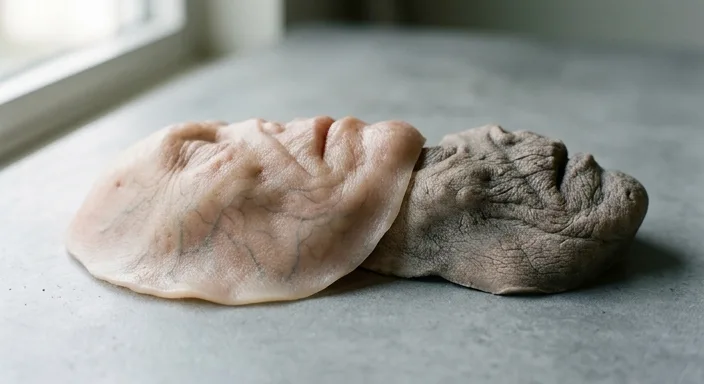
Platinum-cure silicone (Encapsulated Silicone) has largely overtaken foam latex in high-end productions. Its benefits include:
- Translucency: Silicone allows light to penetrate the surface, mimicking the "subsurface scattering" of human skin.
- Edge Blending: With encapsulated silicone, the edges can be melted away using solvents like IPA or acetone, creating a truly invisible transition.
- Durability: Silicone is resistant to sweat and environmental moisture, making it ideal for high-intensity haunt environments or outdoor sets.
The Science of Adhesion and Blending
A prosthetic is only as good as its bond. Professionals have moved away from basic spirit gum in favor of medical-grade adhesives. Pros-Aide is the industry workhorse—a water-based acrylic adhesive that provides a powerful, flexible bond. For heavy silicone pieces, Silicone Adhesives (like Telesis) offer unparalleled strength but require precision during application.
Blending the "seam" where the prosthetic meets the skin is where the artistry happens. Pros use "Bondo" (a thickened Pros-Aide mixture) to fill gaps, followed by stippling textures to match the surrounding skin. This ensures that even under 4K cameras, the appliance looks like a natural growth—or decay—of the actor's own body.
Alcohol Palettes and Color Theory
Traditional grease paint is a relic of the past for professional zombie work. It smears, transfers, and lacks depth. Modern pros use Alcohol-Activated Palettes. these pigments are waterproof and only become fluid when mixed with 99% Isopropyl Alcohol.
The "layers" of zombie color theory usually follow this professional workflow:
- Broken Capillaries: Fine flicking of reds and purples using a splatter brush.
- Venous Blood: Deep blues and greens applied in a "marbling" pattern to simulate stagnant blood.
- Necrosis: Gradients of yellows and deep browns around the "wounds" to show decaying tissue.
Blood Systems and Bodily Fluids
A professional zombie review is incomplete without discussing the "wet look." Blood is rarely just "red." High-end SFX kits utilize various viscosities:
Arterial Blood: Bright red, thin, and used for fresh "feeds."
Venous Blood: Darker, thicker, and used for older wounds.
Drying Blood: A syrup-based blood that stays tacky and looks like a fresh scab.
Zombie Bile: A yellowish-green slime used to coat the mouth and eyes for a sickly, infected appearance.
Maintenance and Professional Removal
Applying the makeup is only half the battle. For professional haunt actors or film stars, skin safety is paramount. High-tack adhesives require specialized removers like Isomedic Isopropyl Myristate or Bond Off!. These break down the chemical bonds of the glue without stripping the skin of its natural oils. Post-removal, "Skin Illustrator" Soothing Creams are often applied to prevent "makeup burn" or irritation from the alcohol pigments.
Frequently Asked Questions
Can I reuse silicone zombie prosthetics?
Generally, no. Professional encapsulated silicone prosthetics are designed for single use because the thin edges are destroyed during the removal process. However, some thicker "slip" appliances can be cleaned and reused if handled with extreme care.
What is the best way to prevent sweat from ruining the makeup?
Professionals use a "Skin Prep" or "No-Sweat" barrier spray before applying any adhesive. This creates a sweat-resistant film that keeps the glue bonded even during high physical activity.
Is 70% alcohol okay for activating SFX palettes?
No. You must use 99% Isopropyl Alcohol. 70% contains too much water, which will not activate the pigments properly and can result in a muddy, uneven application.
Next Guide: Marketing Viral Survivalist Experiences
As an Amazon Associate I earn from qualifying purchases.
Disclaimer: The content on zombiespray.com is for informational and entertainment purposes only. All DIY projects and product purchases are undertaken at your own risk. Buyer beware.