Essential Checklist for Launching a Successful Zombie-Themed Pop-Up Shop
Jump to Section
The "Zombie Economy" is more than just a seasonal trend; it is a dedicated subculture of horror enthusiasts, survivalists, and pop-culture fans. Launching a zombie-themed pop-up shop offers a unique opportunity to capitalize on this high-engagement niche. However, unlike a standard retail outlet, a successful zombie pop-up requires a blend of theatrical production and tactical retail execution.
1. Market Research & Concept Development
Before signing a lease, you must define your "Flavor of Undead." Is your shop a gritty, post-apocalyptic survivalist bunker? A campy, 1980s-style "Return of the Living Dead" tribute? Or a high-end SFX makeup studio for aspiring walkers? Your theme dictates everything from your floor layout to your social media voice.
Identify your target demographic. Local college students might prefer affordable "zombie crawl" accessories, while collectors may be looking for limited-edition horror memorabilia. Use tools like Google Trends and local social media groups to gauge the appetite for a dedicated horror experience in your city.
2. Legal Foundations & Permits
Pop-ups often operate in a legal gray area, but the zombie genre carries specific risks—namely, crowds and potential "startle" hazards if you use actors. You will need:
- Temporary Commercial Use Permit: Check with your local city council.
- General Liability Insurance: Ensure it covers "special events" if you plan on having live performances.
- Health & Safety Compliance: Zombie shops often use fog machines or scented sprays; ensure your ventilation meets fire marshal standards.
3. Location Scouting & Scenography
The "where" is just as important as the "what." Look for locations with high foot traffic, but don't shy away from slightly "industrial" or "abandoned-looking" areas that enhance the apocalyptic aesthetic. The shop shouldn't just sell products; it should tell a story.
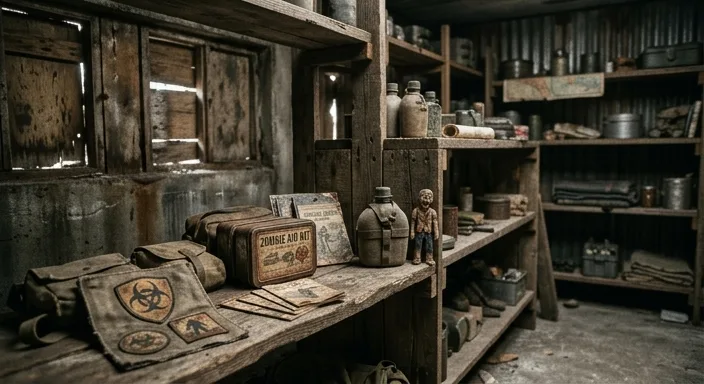
Scenography is your secret weapon. Use olfactory branding (smells of damp earth or ozone), tactical lighting (low-level green or red LEDs), and soundscapes (distant groans or radio static) to immerse customers the moment they walk through the door. This immersion transforms a casual shopper into a brand advocate.
4. Inventory & Merchandising Strategy
Your product mix should balance "Impulse Buys" and "Anchor Products."
- Impulse Buys: Zombie-themed stickers, "antidote" energy drinks, and survival whistles.
- Anchor Products: High-quality SFX makeup kits, replica props, and specialty "Zombie Sprays" (olfactory kits).
- Exclusivity: Partner with local artists for limited-run zombie posters or apparel that can only be bought at the physical pop-up. This creates a "Fear Of Missing Out" (FOMO) that drives traffic.
5. Marketing & Generating Viral Buzz
A pop-up lives and dies by its ability to generate rapid awareness. Start your marketing 30 days out with a "Containment Breach" countdown on Instagram and TikTok. Use cryptic messaging and grainy "leaked footage" of your location being "secured" by hazmat crews.
Collaborate with local horror influencers and offer them an "Early Access" night. Encourage User Generated Content (UGC) by creating a "Zombification Station"—a specific corner of the shop with professional lighting and a gory backdrop where customers can take selfies with their purchases.
6. Operations & The Live Experience
Your staff are the "survivors" of your story. Instead of standard retail uniforms, have them dress in character—weathered tactical gear, lab coats, or tattered civilian clothes. Training should include "in-character" interaction protocols to maintain the illusion.
On the technical side, ensure your Point of Sale (POS) system can handle offline transactions in case your "bunker" has poor Wi-Fi. Have a clear queue management system for peak hours, especially if you are located in a busy district during the Halloween season.
7. Frequently Asked Questions
Most successful seasonal pop-ups run for 4 to 6 weeks, typically starting in late September and concluding shortly after Halloween. However, a "survivalist" themed shop can work year-round in tourist-heavy areas.
Yes, standard general liability is required, but if you include interactive elements like live actors or 'scare' zones, you may need additional 'special event' or 'entertainment' coverage to protect against injury claims.
Specialized scents (zombie spray), professional-grade SFX makeup, high-quality survivalist gear, and exclusive local artist collaborations tend to perform best due to their uniqueness.