Free Guide: How to Market Viral Survivalist Experiences to the Halloween Enthusiast Demographics
Jump to Section
Understanding the Halloween Adrenaline Seeker
The modern Halloween enthusiast is no longer satisfied with plastic skeletons and strobe lights. There is a rapidly growing demographic of "extreme seekers" who crave immersion. These individuals spend billions annually on haunted attractions, escape rooms, and immersive theater. By positioning a survivalist experience—whether it’s a wilderness survival overnight, a simulated "outbreak" scenario, or a tactical urban escape—within this ecosystem, you tap into a market already primed for high-ticket adventure.
To market effectively, you must understand that this group values atmosphere over accuracy. While a survivalist might care about the nuances of a bowline knot, the Halloween enthusiast cares about the tension of tying that knot while "threats" lurk in the shadows. Your marketing must bridge the gap between technical skill and theatrical thrill.
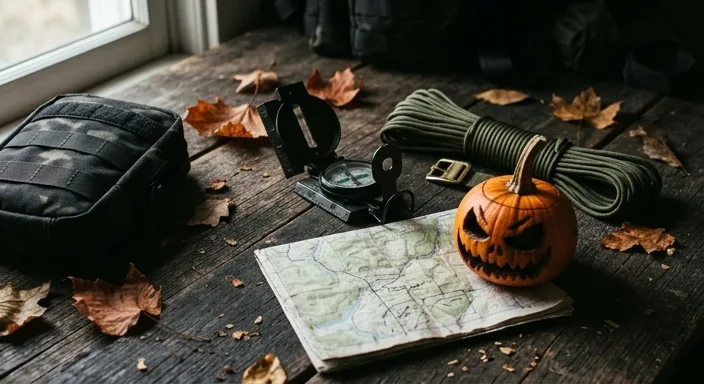
Content Strategy: Beyond the Jump Scare
Your content strategy should focus on the "Grey Zone"—the space between reality and fiction. Use high-production-value video that looks like a found-footage horror film but features real survival equipment and techniques. This appeals to the Halloween fan's love for the genre while showcasing the value of your survivalist expertise.
Don't just show the scary parts. Show the transformation. Film participants at the start of the experience (clean, confident) and at the end (disheveled, exhausted, but exhilarated). This "before and after" narrative is highly shareable and validates the intensity of the experience.
Leveraging the 'Haunt-Tuber' Community
There is a massive community of YouTubers and TikTokers dedicated solely to reviewing haunted houses and "extreme" experiences. These "Haunt-tubers" have highly engaged, niche audiences. Inviting these creators for a "Media Preview" night in early September can generate millions of views before your first public ticket is even sold.
When working with these influencers, give them "The Hero Cut." Provide them with GoPro footage from their perspective and allow them to film their genuine reactions. The more authentic their fear and struggle appear, the more likely their audience is to convert into customers.
Mastering the Seasonal Hype Cycle
Marketing to Halloween enthusiasts requires a specific timeline. If you start in October, you've already lost. The cycle should look like this:
- August: The "Tease." Cryptic social media posts, "leaked" training manuals, and early-bird waitlists.
- September: The "Launch." Influencer reviews go live. Targeted ads hit fans of horror movies and outdoor adventure.
- October: The "Sustain." Focus on user-generated content. Share photos and videos of real participants surviving the experience.
- November 1st: The "Cooldown/Next Year." Offer a deep discount for the following year or transition them into your year-round survivalist courses.