I may earn a commission at no extra cost to you. #ad
Sourcing Viral Survivalist Merchandise for Themed Retail Stores
Jump to Section
Introduction to Themed Survival Retail
The rise of "prep-culture" and the enduring popularity of post-apocalyptic media have created a unique retail opportunity. Themed retail stores—whether they are attached to haunted attractions, escape rooms, or stand-alone boutique shops—are finding that survivalist gear isn't just functional; it's a lifestyle statement. Sourcing the right merchandise requires a balance between tactical utility and aesthetic appeal.
In this guide, we will explore how to curate a selection of "viral" survivalist goods that stop customers in their tracks. We're moving beyond basic camping gear and diving into the world of tactical EDC (Every Day Carry), weathered "end-of-the-world" aesthetics, and high-conversion impulse buys.
Identifying Viral Potential in Gear
What makes a piece of survival gear go viral? Usually, it's a combination of multi-functionality and "the cool factor." To source effectively, you must keep an eye on social media platforms like TikTok and Instagram, where EDC enthusiasts showcase their kits.
Look for products that solve a specific, dramatic problem. A "credit card" multi-tool that fits in a wallet is interesting, but a titanium tactical pen that can break glass and write underwater is "viral." Customers in themed environments are looking for items that make them feel like a protagonist in their own survival story.
Wholesale Sourcing Strategies
Finding a reliable supplier is the backbone of your retail operation. You have three primary avenues for sourcing survivalist merchandise:
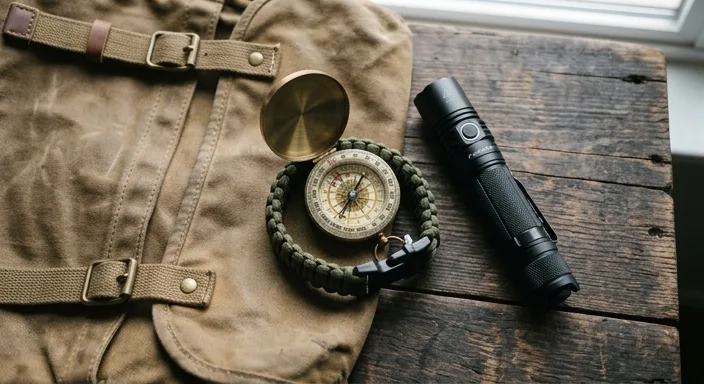
- Direct from Manufacturers (Overseas): Platforms like Alibaba and Global Sources offer the lowest per-unit costs. This is ideal for custom-branded items like paracord bracelets or logo-stamped tactical bags. However, be wary of long lead times and varying quality.
- Domestic Wholesalers: Companies specializing in tactical and outdoor gear provide faster shipping and better quality assurance. Look for "Tactical Wholesalers" or "Survival Gear Distributors" located within your country to reduce shipping complexities.
- White Labeling: Many manufacturers allow you to put your own branding on existing high-quality products. This is particularly effective for "apocalyptic" cleaning kits, survival tins, or specialized tools.
Essential Post-Apocalyptic Inventory
To create a truly immersive retail environment, your inventory should span several categories. Here are the "must-haves" for a themed survival store:
- Tactical Apparel: Molle-compatible vests, fingerless gloves, and shemagh scarves. These items provide a high-impact visual presence in your store.
- EDC Tools: Solar-powered chargers, fire starters (ferrocerium rods), and compact water filtration straws. These are excellent impulse buys near the checkout.
- Atmospheric Items: Non-functional "prop" gas masks, weathered ammo cans for storage, and distressed medical kits.
- Thematic Consumables: "Zombie" themed energy drinks or long-shelf-life "ration packs" that fit the aesthetic of a post-collapse world.
Visual Merchandising for Maximum Impact
In a themed retail setting, the way you display the gear is as important as the gear itself. You want to create a "loot room" experience. Avoid sterile, white shelving. Instead, use industrial racking, rusted metal bins, and wooden crates.
Group items by "survival scenarios." For example, create a "Bug-Out Bag" display where a backpack is surrounded by all the gear needed to fill it. Use low-intensity, warm lighting to create shadows and atmosphere, making the merchandise look like it was salvaged rather than manufactured.
Quality Control and Ethics
While aesthetics are key for themed retail, selling poor-quality survival gear can damage your reputation. If a customer buys a "life-saving" fire starter that doesn't spark, they won't return. Always order samples before committing to a large wholesale order.
Furthermore, ensure your sourcing complies with local laws regarding knives and tactical gear. Some items, while popular in "survivalist" circles, may have shipping restrictions or age requirements for sale.