I may earn a commission at no extra cost to you. #ad
Free Guide: How to Build a Profitable Zombie Apocalypse Escape Room Attraction
The Market: Why Zombie Escape Rooms?
The "Zombie Economy" is a multi-billion dollar niche within the global entertainment industry. From television shows to survival gear, the public's fascination with the post-apocalyptic remains unshakable. Escape rooms, as a medium, offer the perfect vessel for this fascination because they provide high-stakes, immersive roleplay that static haunted houses cannot match.
Profitable zombie escape rooms differ from standard puzzle rooms by leveraging high emotional stakes. When players believe they are "saving the world" or "securing a cure," their engagement increases, leading to higher review scores and word-of-mouth referrals. To succeed, you must move beyond generic locks and keys and create a living, breathing disaster zone.
Developing Your Undead Narrative
Every great escape room starts with a story. In the zombie genre, your narrative dictates your set design and puzzle logic. Consider these three high-performing archetypes:
- The Secret Lab: Players are scientists or survivors trapped in a research facility where the virus first broke out. Goal: Find the cure and initiate the self-destruct sequence.
- The Last Bunker: A claustrophobic underground shelter where life support is failing. Goal: Restore power and find a way to the surface before the oxygen runs out or the door is breached.
- The Urban Scavenge: Set in a dilapidated storefront or alleyway. Goal: Locate vital supplies and a radio to signal for extraction.
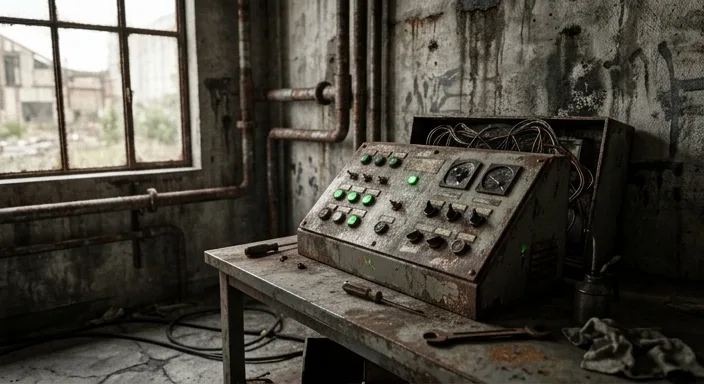
The key to profitability is "re-playability" or "tiered difficulty." By designing a narrative that can be slightly altered (e.g., different mission objectives), you can encourage repeat visits from the same groups.
Mechanics, Puzzles, and Flow
Avoid "logic leaps." In a zombie scenario, every puzzle should feel like a survival necessity. Instead of a random Sudoku on the wall, players should be repairing a broken generator, mixing chemical compounds to create a repellent, or deciphering a military radio transmission.
Linear vs. Non-Linear: For high-throughput profitability, a non-linear flow is often better. This allows groups of 6-10 to work on different tasks simultaneously, ensuring everyone stays active. However, ensure the climax—the final 10 minutes—is a linear, collective experience to maximize the emotional payoff.
Immersion: Tech and Special Effects
To command a premium ticket price ($35+ per person), your room needs to feel "real." This is achieved through sensory layers:
- Audio: Use directional speakers for the sounds of scratching behind walls or distant groans. A low-frequency "rumble" track creates subconscious anxiety.
- Olfactory: Use scent machines to pump in the smell of "Old Bunker" (musty earth, metallic iron, or ozone). Scent is the strongest link to memory and fear.
- Lighting: Programmed DMX lighting that flickers or turns red when the "zombies" are near. Use UV paint for hidden clues that only appear during "power outages."
- Pneumatics: Use air blasts or "shakers" under floorboards to simulate a zombie trying to break through from below.
Maximizing Profitability and Upsells
Ticket sales are your primary revenue, but the most successful operators increase their Average Order Value (AOV) through strategic add-ons:
- The "Live Actor" Upgrade: Charge an extra $50 per group to include a live zombie actor in the room. This increases the intensity and makes for better social media stories.
- Survival Merchandise: Sell themed merchandise at the exit. Popular items include "Antidote" energy drinks, survivalist patches, and branded "Zombie Spray" novelty items.
- Digital Photo Packages: Use a high-quality camera in the "final room" to capture the group's reaction to the escape (or failure). Sell these high-res photos as a digital package.
Operational Safety and Compliance
A zombie escape room has unique safety challenges. You must balance the "scary" atmosphere with strict building codes. All rooms must have "fail-secure" electromagnetic locks that release automatically if the fire alarm is triggered or power is lost. Never actually lock your customers in; the "locked" door should be a psychological barrier, not a physical trap without an emergency bypass.
Furthermore, ensure your waivers are comprehensive. In the heat of a zombie "attack," players may move quickly and potentially trip. Proper padding on sharp corners and low-light navigation paths are essential.
Marketing Your Apocalypse
Your marketing should focus on "The Experience" rather than the room itself. Use short, high-tension video clips of players reacting to scares. TikTok and Instagram Reels are the most effective platforms for this. User-generated content is your best friend—encourage players to take "survivor photos" at the end against a high-quality backdrop and tag your location.
Focus on local SEO. Keywords like "best escape room in [City]" or "scary things to do in [City]" should be your primary targets for Google My Business and your website's blog.
Frequently Asked Questions
How much does it cost to build a zombie escape room?
A mid-tier immersive room typically costs between $15,000 and $50,000 to build, depending on the level of automation and set design. DIY set building can lower costs, but tech and safety compliance should never be skimped on.
Should I use live actors as zombies?
Live actors significantly increase the "scare factor" and allow for higher ticket prices. However, they also increase labor costs and insurance premiums. Many successful rooms use a hybrid approach—actors only for peak weekend hours.
What is the ideal group size?
Most profitable rooms are designed for groups of 4 to 8. This allows for a high enough ticket yield while ensuring the room doesn't feel overcrowded, which can break immersion.